
Coconut Oil and Braids

In 1905, a Black woman named Sarah Breedlove was losing her hair. She was thirty-seven years old, working as a laundress in Denver, earning barely enough to survive. The harsh lye soap she used for washing clothes, the lack of indoor plumbing, the inadequate nutrition—all of it had damaged her scalp until patches went bald. The few hair products available to Black women at the time often made things worse.
So Sarah began to experiment. She learned what she could from her brothers, who were barbers. She tried home remedies. She studied the properties of the ingredients she worked with daily. And eventually, she developed her own line of hair care products—a gentle shampoo, a healing pomade, a scalp treatment—tailored specifically to Black women's hair. She renamed herself Madam C.J. Walker, put her own photograph on the packaging, and built a business empire. By the time she died in 1919, she had become the first female self-made millionaire in America. She had employed over 40,000 people, mostly Black women. And she had proven something profound: that when the market refuses to see you, you can create your own.
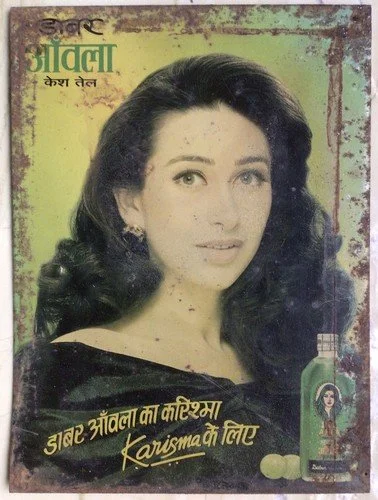
We tell this story to our students at The Banyan Tree because it inspires our students deeply, while opening up conversations about hair politics in the United States, and globablly. After telling Walker's story and exploring the history of hair ads together, we ask our students to become researchers. We send them home with a mission: gather recipes. Ask your mother, your grandmother, your auntie, your neighbor. What do they put in their hair? What did their mothers put in their hair? The children return with treasures. And then we make things together. We test the recipes. We talk about why they work. And finally, we design advertisements for our own imaginary hair care lines—complete with brand names, slogans we actually believe in, and packaging.
When our students present their finished advertisements to each other—for "Ayurvedic Hair Oil" or "Time Travel Shampoo"—something shifts. They've moved from being passive consumers of products that may or may not include them to active creators who understand what goes into care. They've learned that their families have always known things worth knowing.
Here are some of the recipes our students have collected and tested, along with what we've learned about their histories and the science behind them.
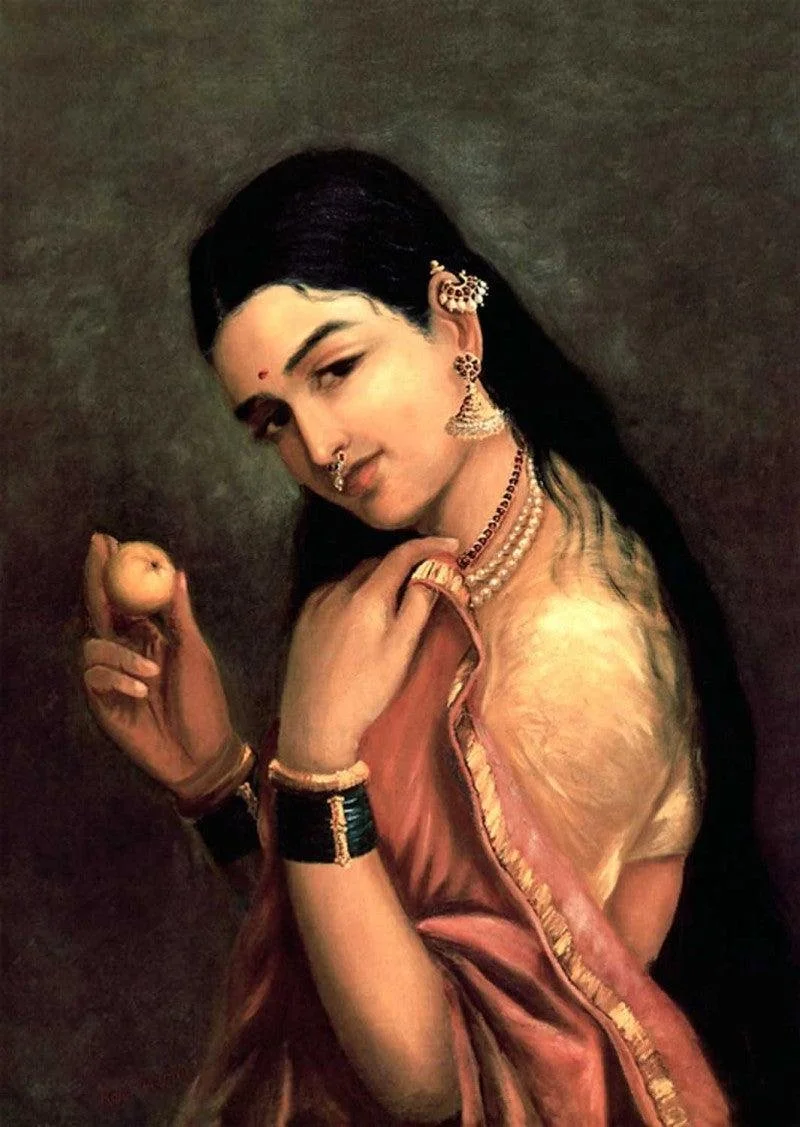
Lemon Juice for Dandruff
The Recipe: Squeeze the juice of one lemon into a cup of water. Pour the mixture over your scalp, massage gently, and let it sit for 15 minutes before rinsing with cool water.
Why It Works: Dandruff is often caused by Malassezia, a yeast-like fungus that thrives on oily scalps. Lemon juice's citric acid helps balance the scalp's pH—the natural acidity creates an environment where the fungus struggles to grow. The citric acid also acts as a gentle exfoliant, loosening dead skin cells and product buildup. Lemons are rich in vitamin C and antioxidants, which nourish hair follicles and can help repair damaged skin cells.
The History: Citrus fruits have been used for cleansing and medicinal purposes across cultures for millennia. Traditional Indian households have long used lemon as part of hair care routines, often mixed with yogurt or coconut oil. The astringent quality of lemon made it a natural choice for cutting through oil and leaving hair feeling clean and light.
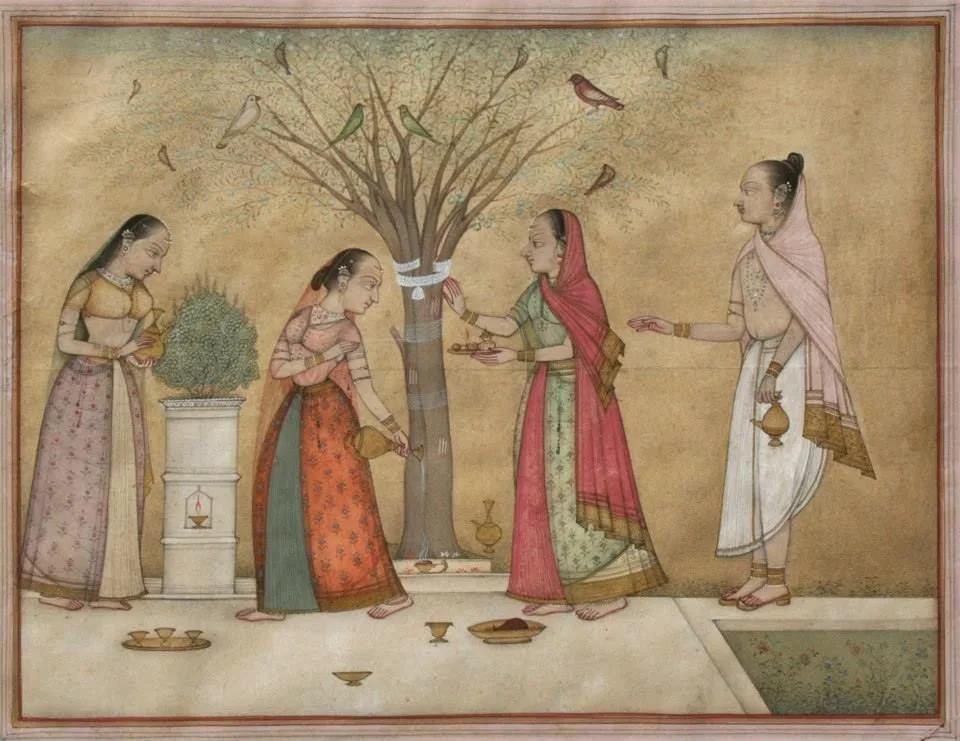
Amla Oil Treatment
The Recipe: Warm two tablespoons of coconut oil and add one tablespoon of amla powder (or steep dried amla pieces in the oil overnight). Massage into the scalp and hair, leave for at least thirty minutes or overnight, then wash with a gentle shampoo.
Why It Works: Amla—Indian gooseberry—contains one of the highest concentrations of vitamin C found in any fruit, along with powerful antioxidants called tannins and gallic acid. These compounds protect hair follicles from oxidative damage, strengthen the hair shaft, and may help prevent premature graying. The oil penetrates the scalp, nourishing roots and promoting healthy growth.
The History: Amla appears in the Charaka Samhita and Sushruta Samhita, foundational Ayurvedic texts dating back to around 600 BCE. These ancient physicians recorded that amla, when processed into oil, prevented premature graying and reduced hair fall. In Kerala's Ayurvedic schools around the 9th century, practitioners developed recipes combining amla with coconut oil and other herbs like bhringraj. For generations, Indian households have prepared amla oil by slow-cooking dried gooseberry pieces in oil until the water evaporates—a technique passed down across centuries. In Indian mythology, the amla tree is considered sacred; in some villages, women traditionally worshipped the tree, believing it would bless them with long and beautiful hair.
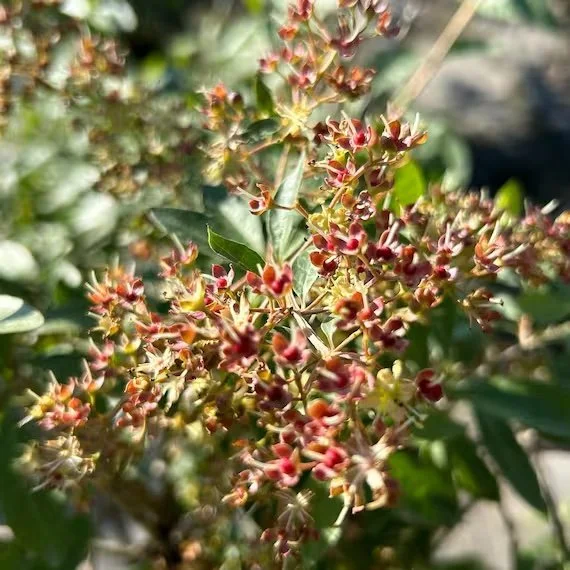
Henna Hair Mask
The Recipe: Mix henna powder with warm water (or strong black tea, or lemon juice) until it forms a thick paste. Let the paste sit for one to four hours to release the dye. Apply to clean, dry hair, cover with a shower cap, and leave for two to four hours. Rinse thoroughly.
Why It Works: Henna leaves contain lawsone, a red-orange dye molecule that binds to the keratin proteins in hair, creating a protective coating. This strengthens the hair shaft, reduces breakage, and adds shine. Henna also has antimicrobial properties that can help with dandruff and scalp irritation. Unlike chemical dyes, henna doesn't penetrate the hair shaft in a damaging way—it coats and conditions.
The History: Henna's use stretches back over five thousand years. Egyptian mummies have been discovered with henna-dyed hair, and the Ebers Papyrus—one of the oldest medical texts from ancient Egypt—includes henna treatments for scalp conditions. The practice spread across North Africa, the Middle East, and South Asia. The word mehndi comes from the Sanskrit mendhika, and the art of henna body decoration has been documented in India since at least the 4th century CE. Henna was considered to have barakah—blessings—and was applied for luck, joy, and beauty at weddings and festivals across Hindu, Muslim, Jewish, Sikh, and Christian communities alike.
Coconut Oil Champi
The Recipe: Warm coconut oil gently (it should be comfortably warm, not hot). Part your hair into sections and apply oil directly to the scalp. Using your fingertips, massage in slow circular motions, covering the entire scalp. Work some oil through the length of your hair. Leave for at least thirty minutes, or overnight with a towel on your pillow. Wash with a mild shampoo. To do this the traditional way, get a friend, a mom, an aunty, a sister — and massage each other’s heads. Gossiping is allowed.
Why It Works: Coconut oil is unique among plant oils because its molecular structure allows it to actually penetrate the hair shaft, not just coat it. It's rich in lauric acid, which has antimicrobial properties and helps prevent protein loss from hair. The massage itself increases blood circulation to the scalp, bringing more oxygen and nutrients to hair follicles. The combination of oil and pressure also stimulates the nervous system—eight of the body's ten marma points (vital energy centers in Ayurveda) are located above the neck.
The History: The word shampoo comes from champi, the Hindi word for head massage. The practice is documented in Ayurvedic texts as early as the 1st century CE in the Charak Samhita. For thousands of years, families have practiced champi as a grooming ritual and a form of care—mothers oiling their children's hair, grandmothers working oil into their daughters' scalps before special occasions. The practice was recorded as early as 1500 BCE, and specific techniques like shirobhyanga (anointing the head with oil) became codified in Ayurvedic medicine. Different oils are traditionally recommended for different body types: sesame for dry hair, coconut for fine hair prone to graying, olive for thick hair.
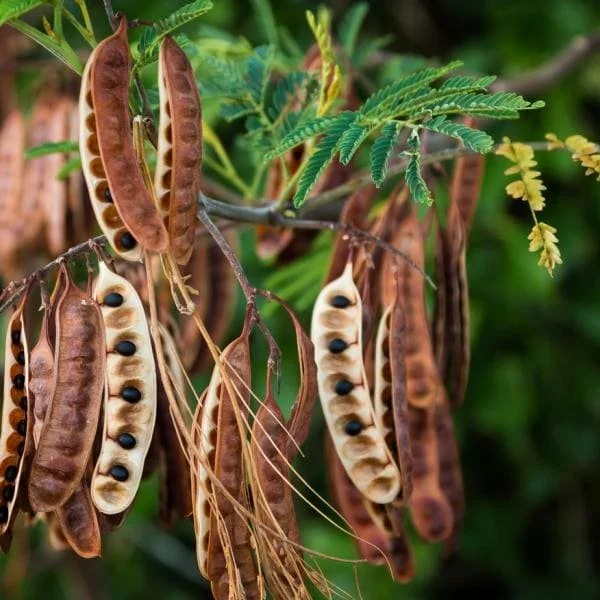
Shikakai Hair Wash
The Recipe: Mix two to three tablespoons of shikakai powder with warm water to form a paste. Apply to wet hair and scalp, massage gently, and leave for five minutes. Rinse thoroughly. (For extra cleansing, combine with reetha/soapnut powder and amla powder.)
Why It Works: Shikakai—literally "fruit for hair" in Tamil—contains natural saponins, compounds that foam gently when mixed with water. Unlike sulfate-based shampoos, shikakai cleanses without stripping the scalp's natural oils. It has a naturally low pH that's gentle on hair, and its antifungal and antimicrobial properties help control dandruff. The tannins in shikakai act as mild astringents, tightening hair cuticles and adding shine.
The History: Archaeological evidence from the pre-Harappan site of Banawali (around 2750–2500 BCE) in Haryana revealed traces of shikakai mixed with soapnuts and amla—suggesting that this hair-washing combination has been used in South Asia for nearly five thousand years. Shikakai grows wild in central and southern India, and its use is documented throughout Ayurvedic texts. In Myanmar, a similar practice exists: the traditional tayaw kinpun shampoo made from shikakai and grewia bark was used in royal hair-washing ceremonies to cast away bad luck and welcome good fortune. Many Burmese people still wash their hair with this mixture on New Year's Day.
More Recipes to Try
Fenugreek (Methi) Seed Mask: Soak two tablespoons of fenugreek seeds overnight. Grind into a paste and apply to hair and scalp. Leave for thirty minutes, then rinse. The lecithin in fenugreek seeds strengthens hair and adds shine, while the mucilage provides natural conditioning.
Hibiscus Flower Rinse: Boil hibiscus flowers and leaves in water until the liquid becomes thick and slimy. Cool, strain, and use as a final rinse after shampooing. Hibiscus is rich in amino acids that nourish hair, and its natural mucilage conditions without weighing hair down. The flowers have been used in South India for centuries to prevent premature graying.
Brahmi Oil Treatment: Infuse brahmi leaves in coconut or sesame oil. Massage into scalp before bed. Brahmi is known in Ayurveda for soothing the scalp, reducing inflammation, and calming the mind—making it perfect for a bedtime ritual.
Reetha (Soapnut) Wash: Soak a handful of reetha shells in warm water overnight. Squeeze and strain the liquid, then use it to wash hair. Like shikakai, reetha contains natural saponins and has been used as a gentle cleanser across South Asia for millennia.