
4th of July Biryani Hotdogs
By Nivetha Ketheeswaran
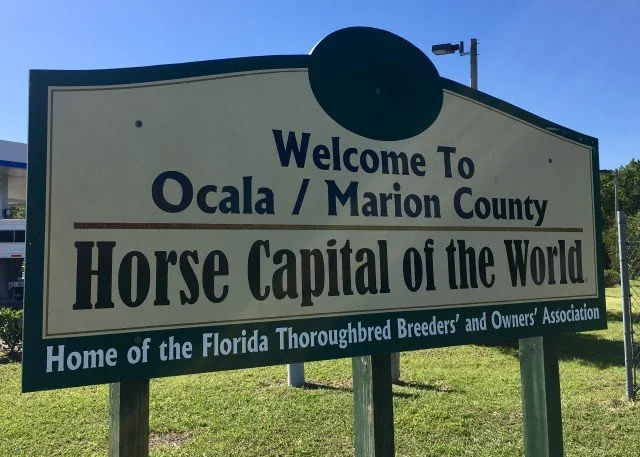
Summer in Ocala, Florida is ruled by the fourth of July. The firework stands are up in June along with the flag paraphernalia and the summer fruit platters and Publix. Slowly it all trickles in until you’re in a boiling pot of a mid-summer Florida heat. It’s crowded with tourists, and it smells like sunscreen, and it is loud all the time. The drilling of construction on the I-4, the horns of traffic, the glee of kids freed from school. Even the hidden corners of Florida’s swamps are loud. Springs and rivers babble and cicadas scream. Birds are in constant song. All of June is a drumroll; a growing, thumping, rhythm of how the heat makes the city and swamp rumble. It peaks on the fourth of July.
South Asian American Fourth of July is a joy. Most of the time, South Asian kids hear about how their parents loved their home countries. How there are things missing here in the States and how much they miss their lives there. Yet on the fourth of July, things are different. Immigrant parents share their gratitude for their lives here, tell stories of mishaps in citizenship paperwork with humor instead of rage, and seem to forget their anxieties that their children will grow up entirely too American. There is pride, not in an abstract sense of nationalism to the United States, but in the ability of their communities to thrive in a new place. My parents would take my sisters and I to a party at a friend's house, the biggest house I had ever seen as a child. There were two staircases that framed the entrance that we referred to as Padayappa stairs, after the Rajinikanth film setting. They would serve the usual Fourth of July foods: watermelon, chips, and my all-time favorite — the foil wrapped grilled hotdog. But there were also the hallmarks of any great central Florida South Asian party: Samosas, pakoras, tandoori chicken lollipops, and biriyani. While served separately, the foods would blend in a pile on our plates until we had biriyani hotdogs and tandoori chicken dipped in barbecue sauce. I would scarf down these culturally hybrid foods with my friends and hula hoop until we felt like puking. The energy of the night would grow as we anticipated the firework show. The laughter and music raised in decibel until the night darkened enough. At the first sight of a star-spangled sky, we would gather in the lawn and turn our faces up, and the summer’s drumroll would peak. Fireworks would explode into the night and it was the loudest sound of summer. The sparks would leave lights in our eyes and left us blinking into the night, delighted.
The summer grows quiet after the Fourth of July. People begin to keep their heads down and kids get ready for school to start, but the echo of fireworks would ring in my ears for weeks. I would find myself longing for next summer before we even began fall. When I moved from Ocala and pursued higher education, I made friends from all over the world for the first time, and I found myself newly ashamed of my love for the Fourth of July. Somehow, all the nuances of South Asian Joy that I knew existed in the small towns of the South were gone, and the Fourth of July became a space for critique. I felt sick thinking of the joys I felt celebrating liberty, making no connections to how this façade of liberty was built of genocide and oppression. I, whose parents escaped genocide themselves, had found so much joy in a holiday that apparently was nothing but ignorance of the pain of others. I felt failed by the education I was given, misled by the sparks and colors and platters of food. It took me many years to understand that both my experience of this holiday and the critiques of this holiday could be true at once. I began to ask myself what it really was about the Fourth of July that I loved. It was never about the idea that this nation made me “free” but rather the feeling of being a part of a pride that represented both the truth that I was South Asian and American. It was one day where my South Asian elders did not look at my Americanness with disdain or something to be weary of. It felt like a brief moment in time where my identity was not split between two worlds I had to straddle.
It is this feeling of wholeness that here at the Banyan Tree we aim to foster for the kids who join our summer camp. At Camp Banyan, we work to navigate the complexities and joys of the South Asian diaspora in America. It is a place for kids to come together and learn how our histories and cultures have always been hybrid, always evolving, and they can develop a sense of pride in their unique lives in history. We aim for them to feel empowered to change the future to be built for them rather than to divide them into parts of who they are. It is my hope that the experience of Camp Banyan will feel like fireworks, an explosive celebration of their identities, a peak of a drumroll that has been building inside them all year.